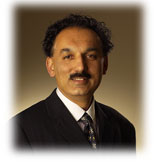
Michigan-based Syntel is an IT services company with $226 million in annual revenues in 2005 and a market capitalization of more than $1 billion. Ask its CEO and co-founder, Bharat Desai, to describe what Syntel does, and chances are he will launch into a description of the “dynamic fuel surcharge system” that his company developed for Federal Express. In a nutshell, the system lets Federal Express change shipping prices for packages in response to ups and downs in oil prices. Desai claims a Federal Express executive told him the system had helped generate $600 million in profits in one quarter.” That’s the kind of impact we were able to have with the technology we developed for Federal Express,” says Desai, who spoke to India Knowledge at Wharton at the Wharton India Economic Forum in Philadelphia.
Desai wants Syntel’s 7,500 employees to implement what he calls the company’s 1-5-10 plan, which means getting to $1 billion in revenues and $5 billion in market cap by 2010. And where will that growth come from? “The biggest opportunity area that remains largely untapped is health care,” says Desai. Although the industry has been slow to adopt new technology, “it is 15% of GDP in the US and growing.”