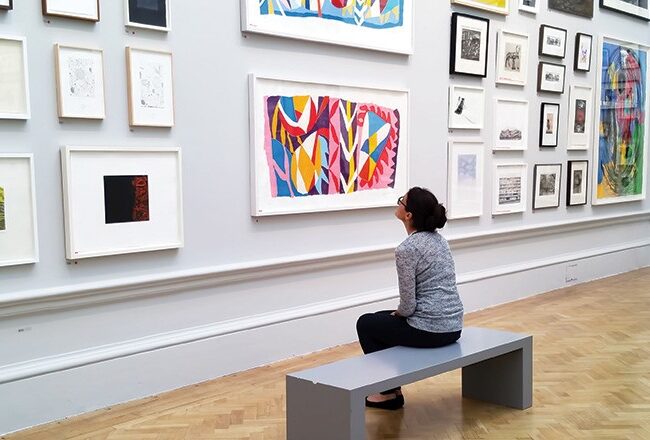
China’s real estate sector is finding robust growth increasingly hard to come by. As such, many real estate companies now find it necessary to adopt more innovative approaches in order to sustain property values and revenue growth. Among them, art-centric real estate is gaining increasing traction. This business model seeks to increase property values by integrating art venues into a given property. Such an inclusion helps drive foot traffic, which raises the value of a commercial property while simultaneously providing cultural enrichment to residents and the wider community. Baoku China, a subsidiary brand of E-House China, is a major player in this art-centric business segment. It offers a one-stop-service that includes art storage, as well as the development of private museums and art galleries — thereby creating an art ecosystem that has great appeal to China’s increasingly sophisticated and wealthy urban population. (This report in Chinese.)
Baoku China: An Art-centric Real Estate Platform
Baoku China is using art to enhance property values as well as enrich the lives of residents and the wider community.
April 10, 2018
• 1 min read
Comments
New This Week

AI’s Impact on Financial Services
Jeremy Siegel and Jeremy Schwartz discuss how artificial intelligence is transforming financial services, from investment research and financial advice to productivity, innovation, and the future of the industry.

Podcast
The Hidden Cost of Competition in the Workplace
Henning Piezunka, Wharton associate professor of management, explores how rivalry motivates individual performance while potentially undermining team success.

Podcast
The NHL Salary Cap Surge Is Changing Team Building
Samuel Ventura, vice president of hockey strategy and research for the Buffalo Sabres, explores how a rapidly rising salary cap is changing roster construction, contracts, and player valuation.


