
 Someone once told Stephanie Kramer that you can’t rush a pearl. “That, to me, is the definition of true luxury,” noted Kramer, director of marketing for Chanel, during a keynote speech at the recent Wharton Graduate Retail Conference.
But in a retail world that is increasingly about instant gratification, how do luxury brands like Chanel — which, in some sense, have built their mystique on being hard to obtain — find a niche? At Chanel, Kramer said, finding such a sweet spot has involved a measured approach that capitalizes on the brand’s iconic status, while also embracing the new ways consumers are interacting with it.
Citing statistics from eMarketer, Kramer noted that luxury brands are among the categories most affected by showrooming, the practice of visiting a physical store location to browse, but then actually buying an item online. “It’s important to try to make showrooming work for you,” she said. “Digital is our advocate and our ambassador, but it’s also our nemesis.”
Although many brands seeking to craft a marketing strategy that encompasses multiple retail channels have turned to the “spaghetti model” of “throwing everything against the wall and seeing what sticks,” it usually doesn’t work, Kramer pointed out. And luxury brands have to strike a balance, she added, because their customers see them — and by association, themselves — as trendsetters, not followers. “The concept of showrooming, or learning more, has to add value to the experience in luxury, versus [simply] price-checking” at stores with broader audiences, she noted.
The most effective digital strategies for luxury goods are those that enhance a brand without taking away from its aspirational image, Kramer said. Among the brands she feels are “getting it right” is Burberry, which, for example, has fully integrated its Regent Street London store with technology from the company’s website — including “magic mirrors” that transform into television screens allowing customers to see how the garments they are trying on looked on the runway.
“Burberry tweeted backstage photos of models before they went out on the runway. They live-streamed the fashion show on Facebook in high definition,” Kramer noted. “It’s a unique example of a brand that took the tools that are available, made them their own and used them in a way that a customer of that particular brand will appreciate.”
While Kramer was preparing for her Wharton presentation, literally every day she found news of a new fashion-related application or website — from a feature on the eBay Fashion app that allows customers to take a picture of a particular fabric or image that inspires them and search for garments with the same color distribution, to Kaleidoscope, an application that allows users to search fashion images from the street to the web and directs them to where they can buy those pieces.
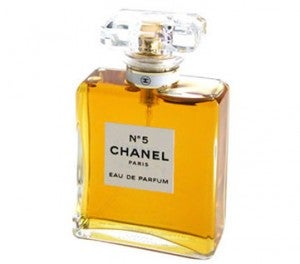
Chanel has used its website to feature unseen footage of Marilyn Monroe and a history of its Chanel No. 5 perfume. But online, customers can only buy the brand’s makeup and skincare lines — they must still hit the stores to browse or buy clothing, handbags and jewelry, which is in keeping with the company’s customer profile, Kramer noted.
“Beauty has always sold in a lot of different areas, as opposed to boutiques in fashion and specifically luxury brands,” she said. “Luxury is something where we like to have a baseline of access; we don’t think people expect to be able to purchase the fashion collection or handbags online. They know that is limited. We’ve talked a lot about selling watches online, which would be the next tier. Some players are doing a great job of that, but … we’re a price point above that.”


